Hello again, friends! I hope your week is off to an auspicious start. The school year is drawing to a close, and it feels rather bittersweet. I am looking forward to the break (really, REALLY looking forward to it), but it’s been an amazing year and I can hardly believe that it’s almost over. Today’s post will be short, because I have lots of other tasks clamoring for my precious time. With the end of school in mind, here are a few things I’ve been enjoying lately–some philosophical musings to engage your mind, and some fun things too!
Bishop Barron on how philosophy shapes our world
I think the fact that this talk by Bishop Robert Barron has “2020” in the title is a little misleading. Really, this is a look at how philosophical ideas from the 19th and 20th centuries are influencing our culture today. It’s on the longer side but I think it’s absolutely worth it–Bishop Barron breaks everything down to basics, so even if you don’t have a background in philosophy, you will get something out of this video!
Thoughts on beauty
I’ve written about beauty a few times here, and a few more times over on Instagram, so I wanted to share some of the writing that formed my own understanding of beauty’s value and our innate need for it. This essay by John Armstrong is an excellent look at the theories of Friedrich Schiller, and this speech delivered by Pope Benedict XVI in 2002 is one of my all-time favorites. It’s a hidden gem.
I’ve got rhythm, I’ve got music…
I recently discovered Spotify, and despite being convinced that I most definitely was not a music person, I’m hooked. And when I say hooked, I mean HOOKED. This playlist has been my go-to lately. It has lots of folksy (but not too folksy–not that that’s a bad thing!), upbeat songs that make me smile. It just feels right for the season, you know?
That’s all for today. I hope you all have a fantastic week!
When Jesus saw her weeping, and the Jews who came with her also weeping, he was deeply moved in spirit and troubled; and he said, “Where have you laid him?” They said to him, “Lord, come and see.” Jesus wept.
John 11:33-35
This past week, the issue of racial injustice has once again come to the forefront of the national commentary.
I don’t claim to have the answers to any of the weighty problems our society is facing, but I do know that there is great power in listening to others and honoring their grief (or anger, or disappointment–any emotion they might be feeling).
As a society, we are terribly uncomfortable with grief. We would rather slap a woefully-inadequate bandaid on an open, bleeding wound and pretend that fixes the problem than allow someone to cry over it.
Taking action to remedy injustice is important, yes. But more than anything else, people need to be heard. They need to be heard without being dismissed or belittled or mocked. They need to be treated with compassion.
The word compassion literally means “to suffer with.” (From the Latin com, meaning “with,” and pati, meaning “to suffer.”) So what does that look like?
It looks like Jesus weeping with those who mourned for Lazarus.
It looks like Mary weeping over the bruised and bloody body of her Son.
It looks like holding space for grief. It looks like saying, “I am so sorry.” It looks like listening with empathy.
You don’t have to be afraid to listen. No one can force you to change your mind if you don’t want to. But when you keep your heart open, when you act from a place of compassion instead of defensiveness, you acknowledge the imago Dei borne by every man, woman, and child.
And that is a beautiful thing.
“The works of mercy are charitable actions by which we come to the aid of our neighbor in his spiritual and bodily necessities. Instructing, advising, consoling, comforting are spiritual works of mercy, as are forgiving and bearing wrongs patiently.” — CCC 2447 (emphasis added)
Holy Week is upon us! On the drive home from Palm Sunday Mass this weekend, I realized that this time last year, I was stuck at home watching live-streamed Mass and hoping shelter-in-place would end soon. It’s such a blessing to be able to fully experience the richness of the Holy Week liturgies this year. Deo gratias!
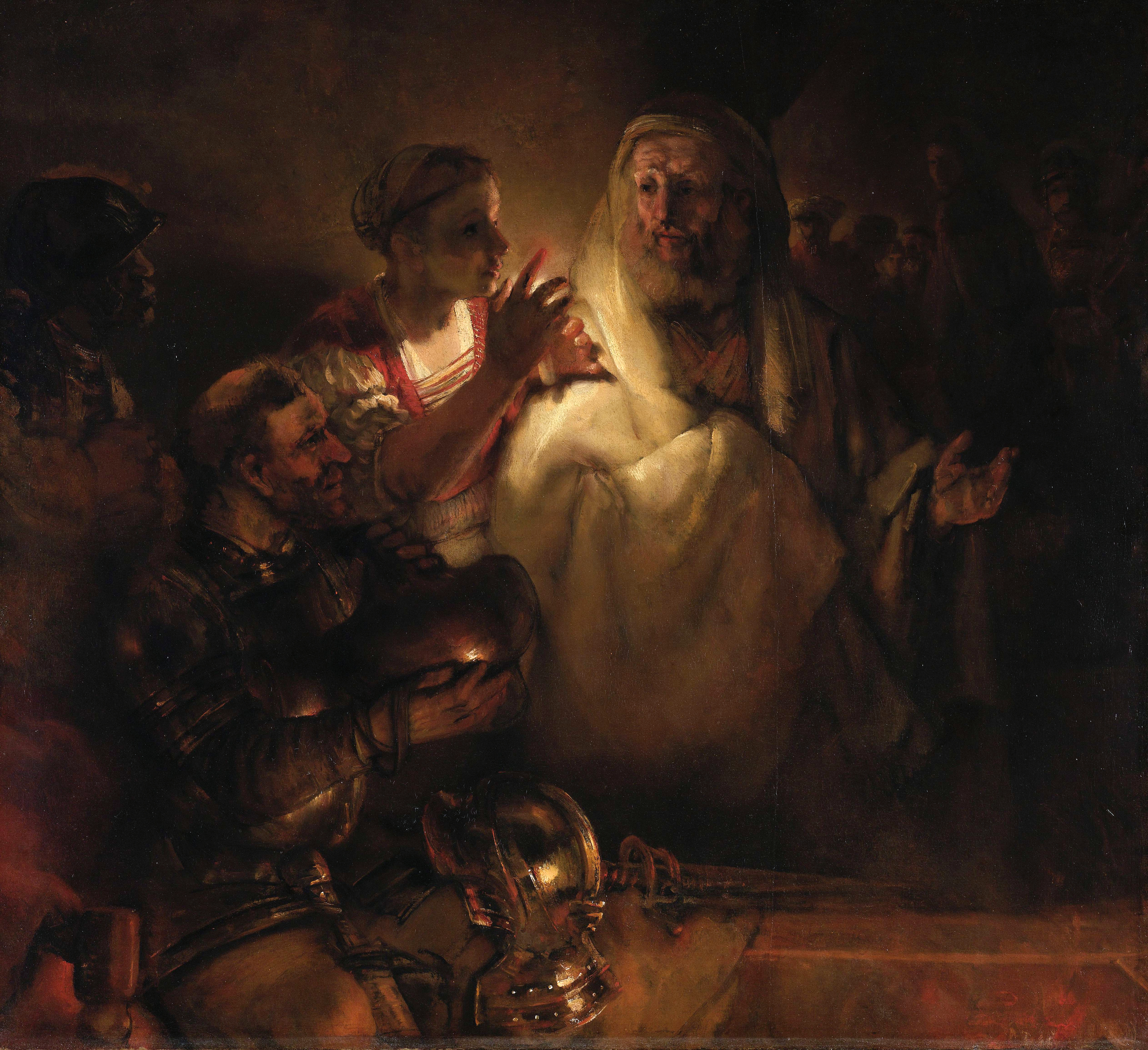
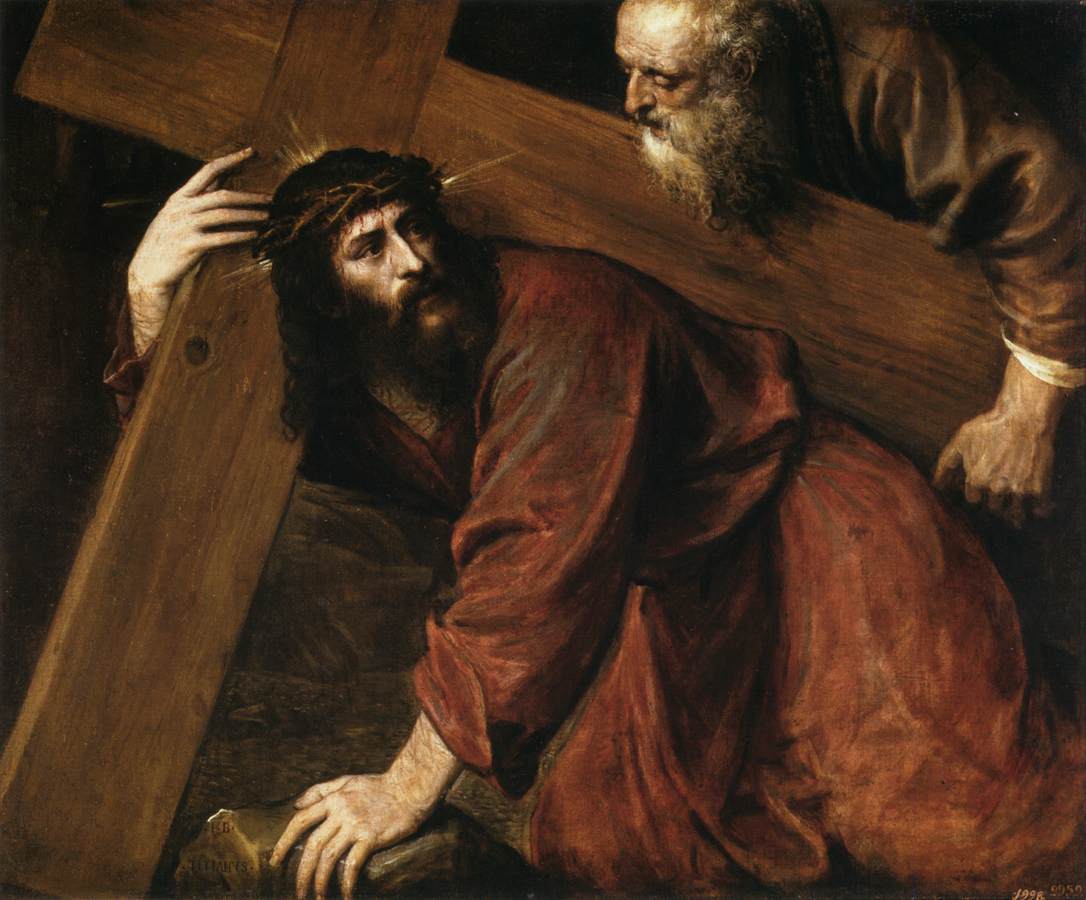
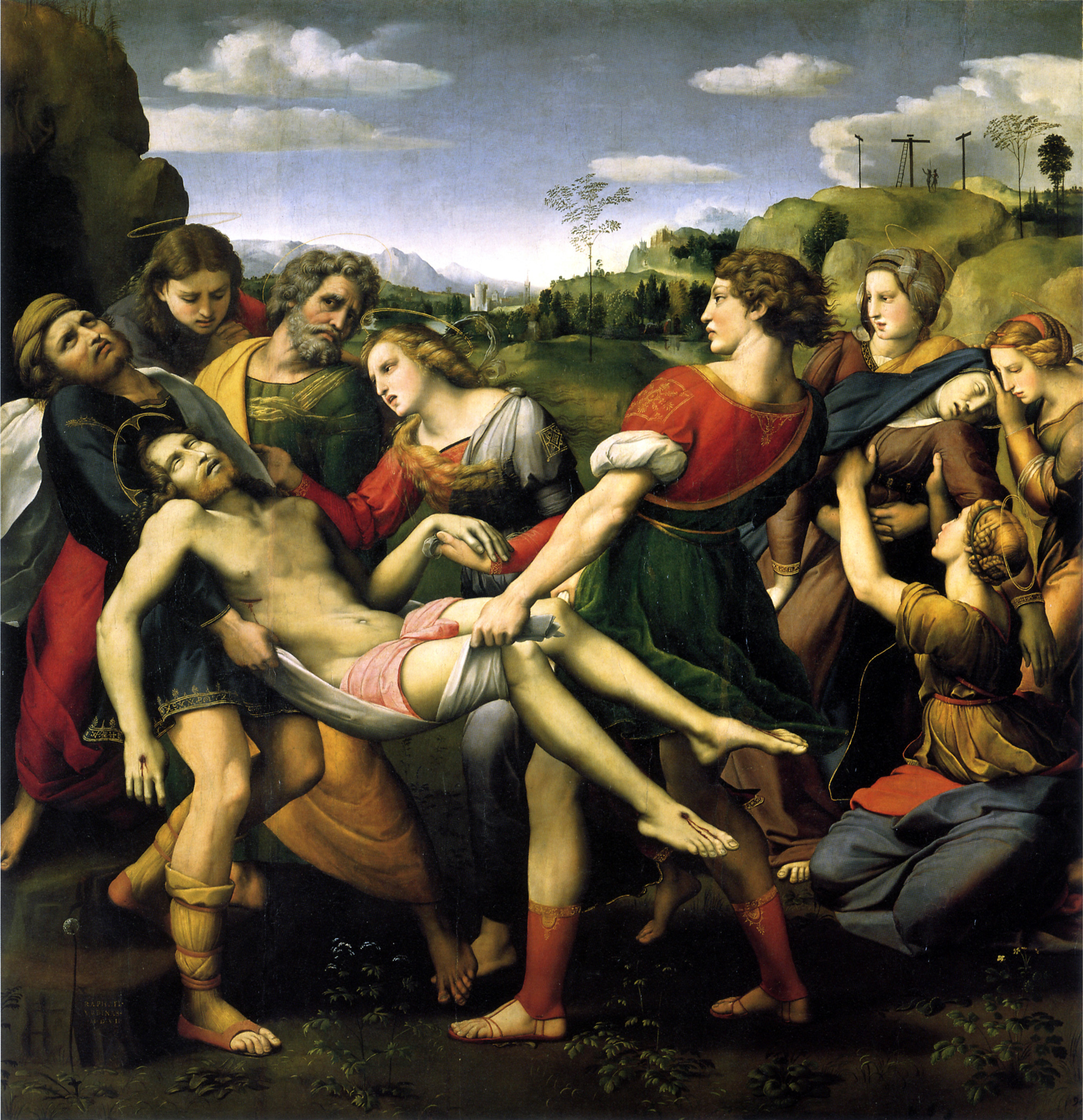
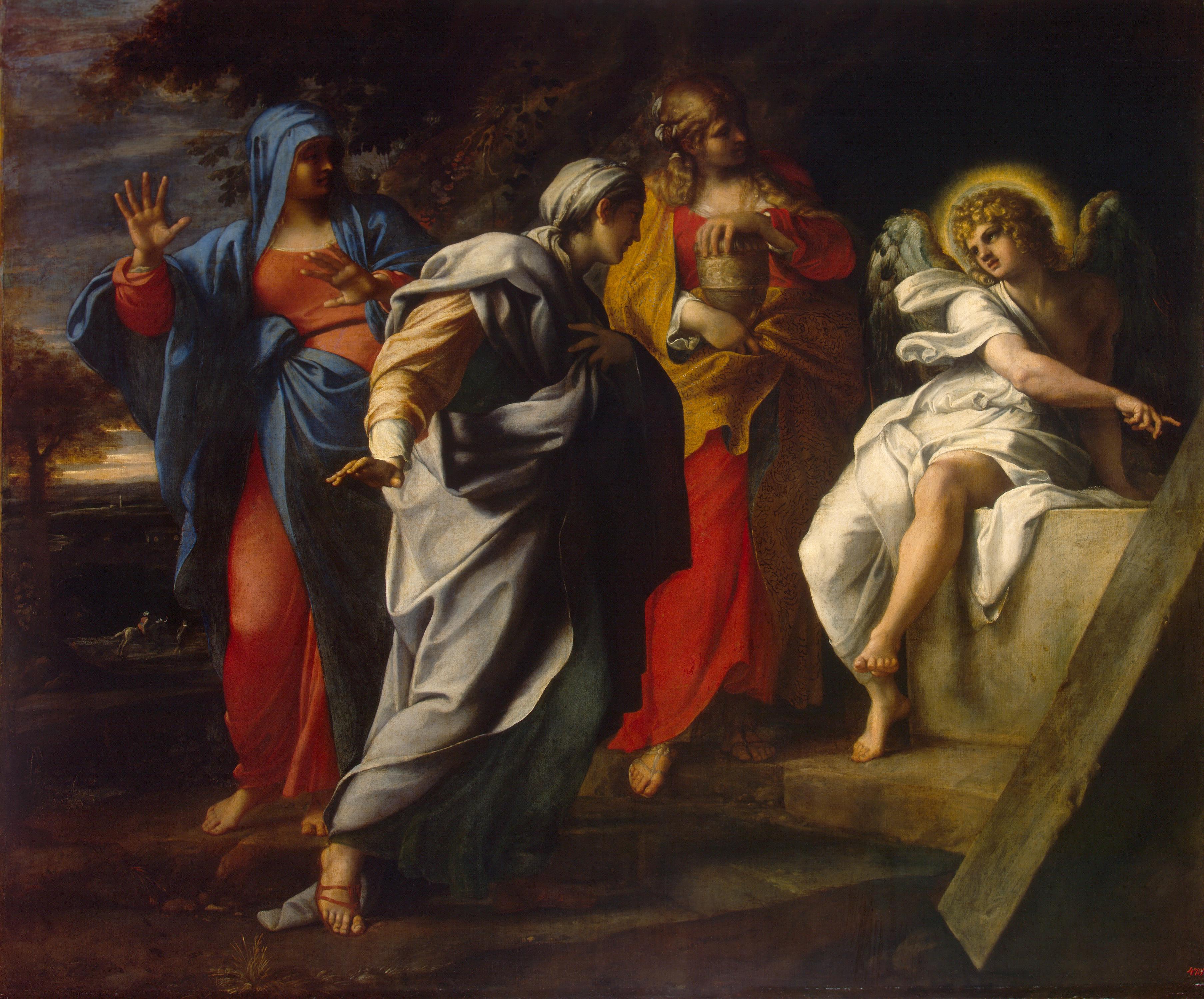
This week is filled with so many significant moments leading up to the Passion and (at last!) the Resurrection. One of my favorite ways to meditate on events from Scripture is by finding an artistic depiction so that I can place myself within the scene and notice the small but important details. With that in mind, I wanted to curate a collection of sacred art illustrating the events of Holy Week. There are so many ways to use these paintings… they could inspire some imaginative prayer, or perhaps they could even be an art lesson for your children (or yourself). No matter how you choose to use them, I hope they help you enter more fully into the mysteries of Holy Week.
Pietro Lorenzetti, Entry into Jerusalem, c. 1320, Basilica of Saint Francis of Assisi
Juan de Juanes, The Last Supper, 1555-62, Museo del Prado
Jacopo Tintoretto, Christ Washing the Feet of the Disciples, c. 1575-80, National Gallery
Heinrich Hofmann, Christ in Gethsemane, 1890, Riverside Church, New York
Giotto di Bondone, Kiss of Judas, 1304-06, Scrovegni Chapel, Padua, Italy
Rembrandt van Rijn, The Denial of Saint Peter, 1660, Rijksmuseum, Amsterdam
Mihály Munkácsy, Christ Before Pilate, 1881, Déri Museum, Debrecen, Hungary
William-Adolphe Bouguereau, The Flagellation of Our Lord Jesus Christ, 1880, Cathedral of La Rochelle, France
Titian, Christ on the Way to Calvary, c. 1560, Museo del Prado
Peter Paul Rubens, The Raising of the Cross (center panel), 1610, Cathedral of Our Lady, Antwerp, Belgium
Diego Velázquez, Christ Crucified, 1632, Museo del Prado
Raphael, The Deposition, 1507, Galleria Borghese, Rome
Annibale Carracci, The Holy Women at Christ’s Tomb, c. 1600, Hermitage Museum
I’m happy to report that I’ve spent a large portion of the past few months with my nose in a book–that is to say, 2021 is off to a great start! I don’t think I’ve ever actually made a TBR list before, but because I’ve been so busy recently, I wanted to make sure I wouldn’t lose track of the books I want to read in future. On this list, you will find books old and new, bestsellers and hidden gems, mostly fiction but with a few nonfiction selections thrown in for good measure.
I love C.S. Lewis’ introduction to Athanasius’ On the Incarnation, where he writes, “It is a good rule, after reading a new book, never to allow yourself another new one till you have read an old one in between. If that is too much for you, you should at least read one old one to every three new ones.” Certainly very good advice. I tend to skew a bit more to the other extreme, preferring dusty old books to shiny new ones; but taking Lewis’s advice to heart, I’ve made an effort to include a good balance of both old and new books in the list below.
Bird by Bird by Anne Lamott
This book is subtitled Some Instructions on Writing and Life, which is right up my alley. It’s been hailed as “a modern classic” and “One of the funniest books on writing ever published.” As an aspiring writer still growing into my voice, I’m hoping I can learn from Lamott’s experiences and maybe even absorb some of her writerly wisdom through osmosis.
Orthodoxy by G.K. Chesterton
I’m definitely expecting this to be a HEAVY read–but I love Chesterton enough to attempt it anyway. So far I’ve read his excellent biography of St. Thomas Aquinas, as well as The Man Who Was Thursday and The Club of Queer Trades, and I’m currently working my way through The Complete Father Brown Stories. I’m hoping I’ll have time to delve into this book over the summer, when I don’t have schoolwork to worry about.
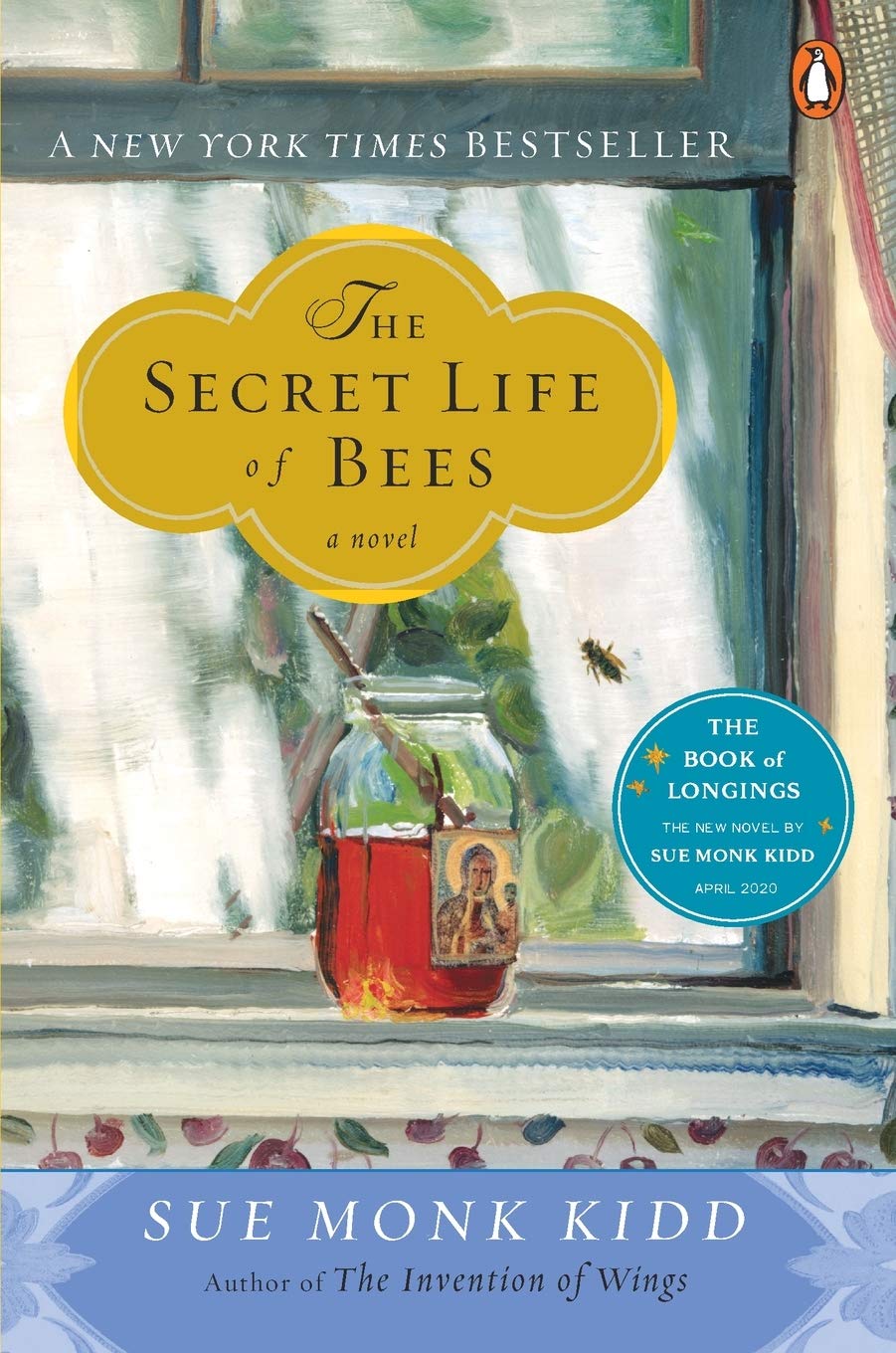
The Secret Life of Bees by Sue Monk-Kidd
I must admit, this is one of those rare instances when I watch the movie before reading the book. I did enjoy the movie, and I’ve since heard some glowing recommendations for the book, so I went ahead and added it to my TBR list. I would describe The Secret Life of Bees as a story about the power of female friendship, with a dash of Marian theology. I’m excited to see how well the movie compares to the novel!
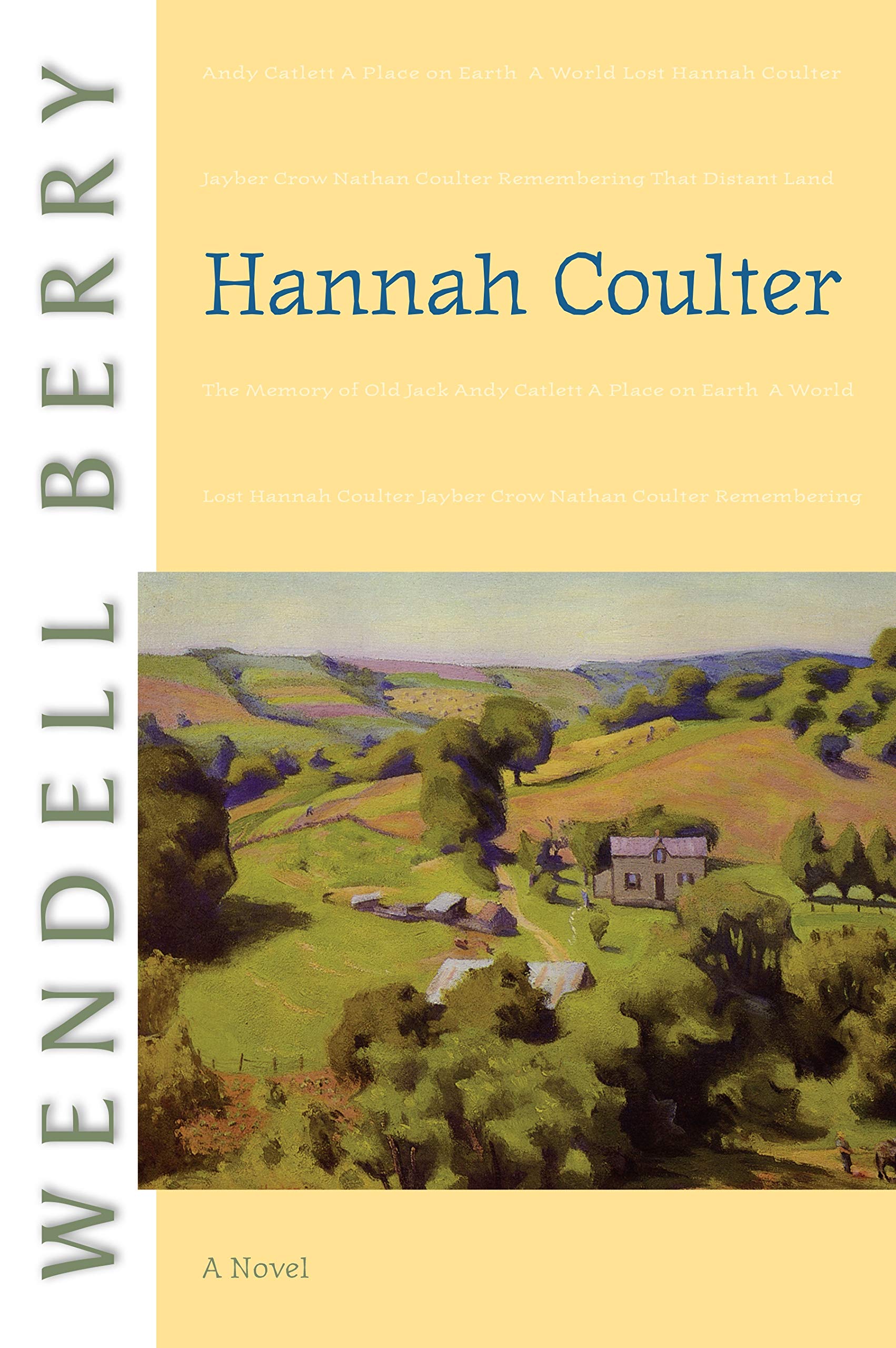
Hannah Coulter by Wendell Berry
I have fallen head-over-heels in love with Wendell Berry’s writing since reading Jayber Crow, and I’m currently reading (and adoring) his poetry. It seems that Hannah Coulter is Berry’s best-loved novel; I’m eagerly anticipating it, and also waiting for the perfect time to read it–I want to be able to really savor it and soak in the words.
A Thousand Mornings by Mary Oliver
Speaking of Wendell Berry: thanks to him and some other wonderful poets, my love for poetry, which lay dormant for a long time while I engaged in other literary pursuits, has been rekindled. I’m thinking that Mary Oliver’s work will be perfect for my next poetic adventure.
The Story of My Life by Helen Keller
Helen Keller lived an extraordinary and inspiring life, overcoming the dual challenges of deafness and blindness to become the first deaf-blind person to earn a Bachelor of Arts degree, and going on to author many books, essays, and speeches. Her biography has been on my TBR list for a long time, and I’m looking forward to learning more about her.
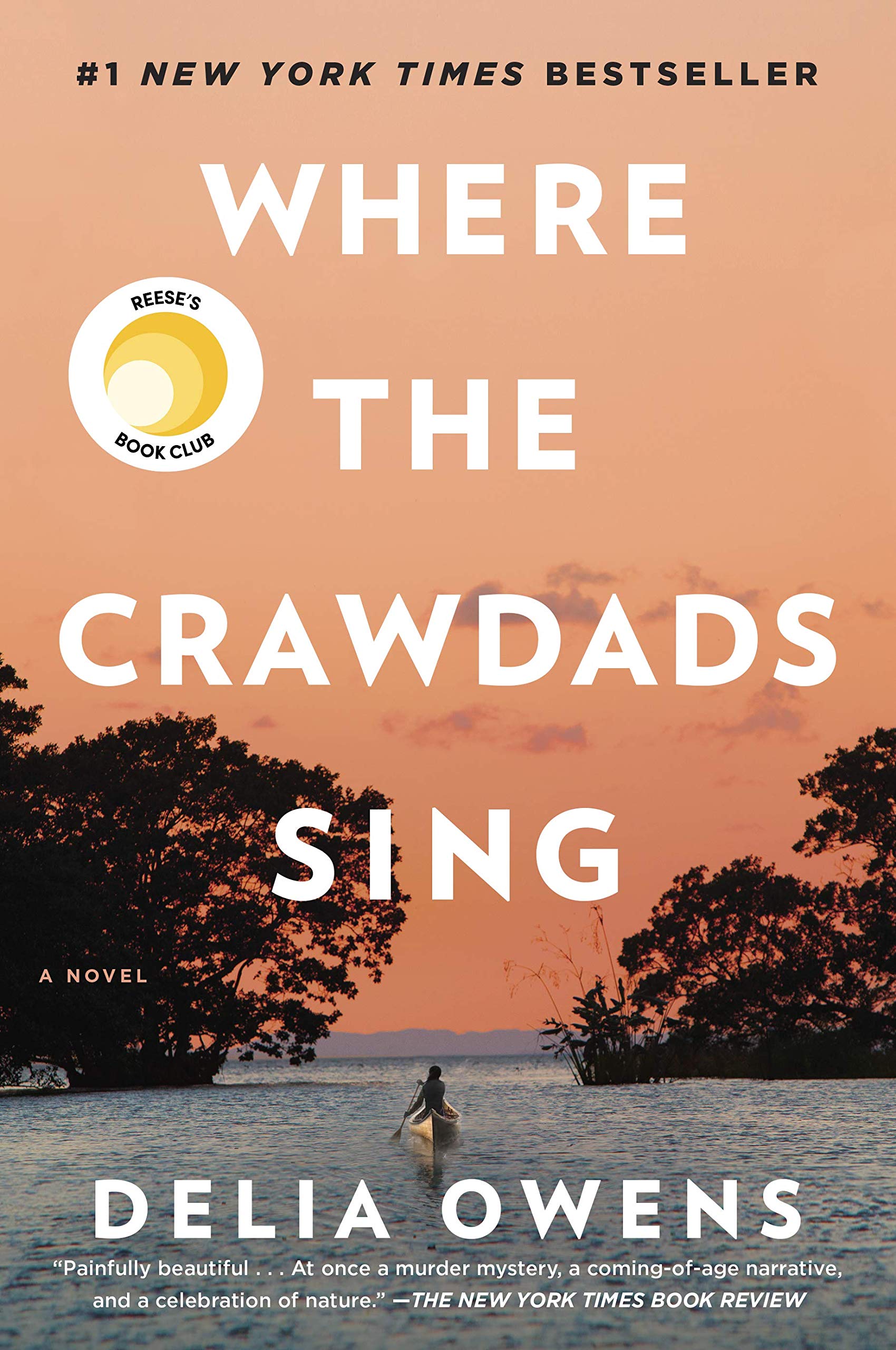
Where the Crawdads Sing by Delia Owens
This book was extremely popular a few years ago when it first came out, and Reese Witherspoon even picked it out for her book club. I don’t really keep up with new releases and bestsellers (I prefer to wait until the hype has died down), but this one has continued to garner rave reviews. It’s described as “an exquisite ode to the natural world, a heartbreaking coming-of-age story, and a surprising tale of possible murder.” Sounds like an excellent summer read!
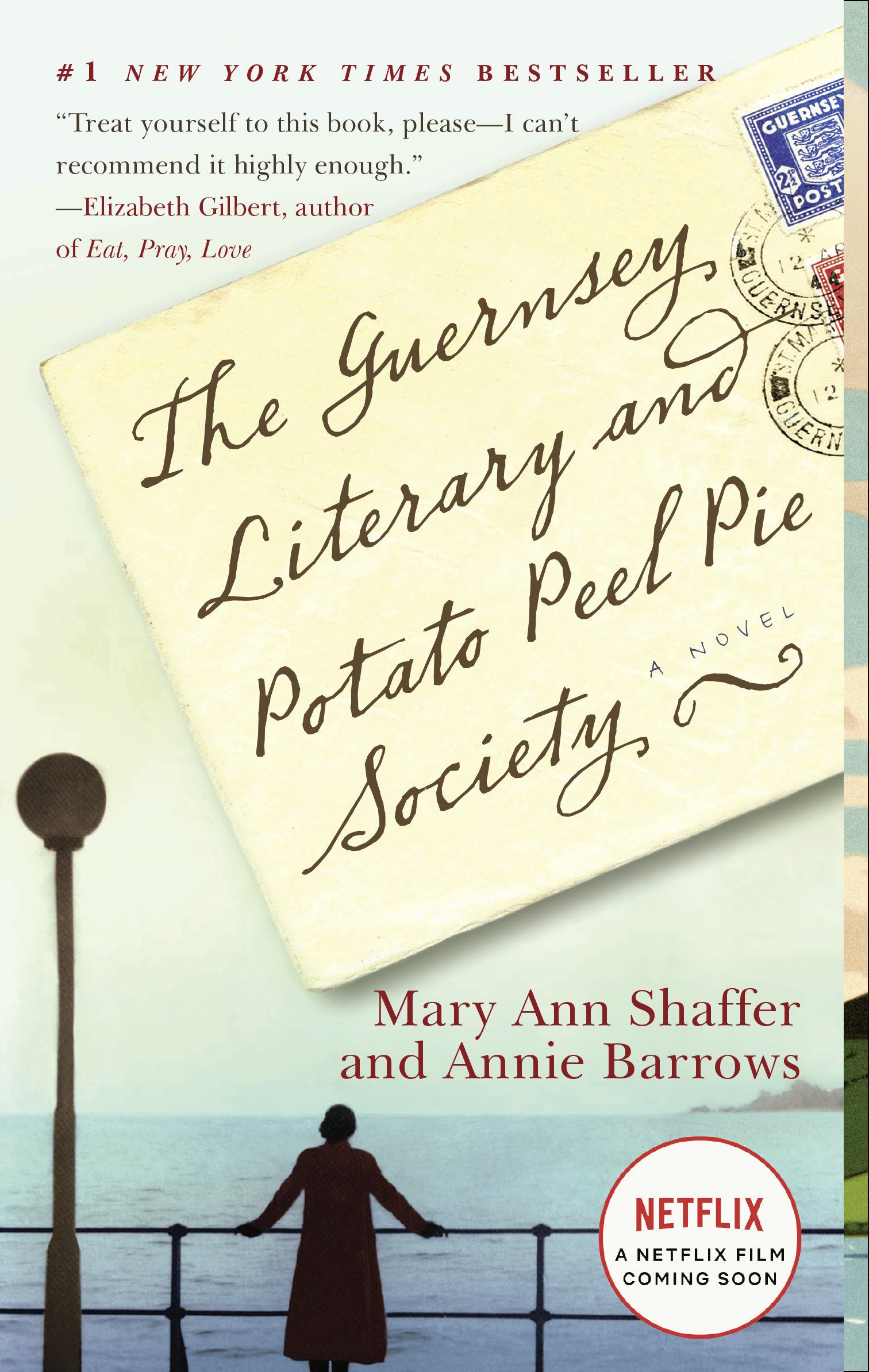
The Guernsey Literary and Potato Peel Pie Society by Mary Ann Shaffer
Whew, that’s a long title! I’ve heard such good things about this novel from readers whose opinions I value greatly. It’s set on the German-occupied island of Guernsey, in the English Channel, during World War II. It’s also an epistolary novel, which is one of my favorite genres/writing styles. And apparently it’s also a Netflix series now? Anyhow, it sounds absolutely delightful and I can’t wait to read it!
Busman’s Honeymoon by Dorothy Sayers
Sayers’ Gaudy Night was one of my favorite books of 2020, so of course the sequel to that story made it on this list! I just can’t get enough of Harriet and Peter–they’re witty, real, and well-developed characters–and Sayers writes delicious mysteries that are the perfect blend of plot and suspense.
The Awakening of Miss Prim by Natalia Sanmartin Fenollera
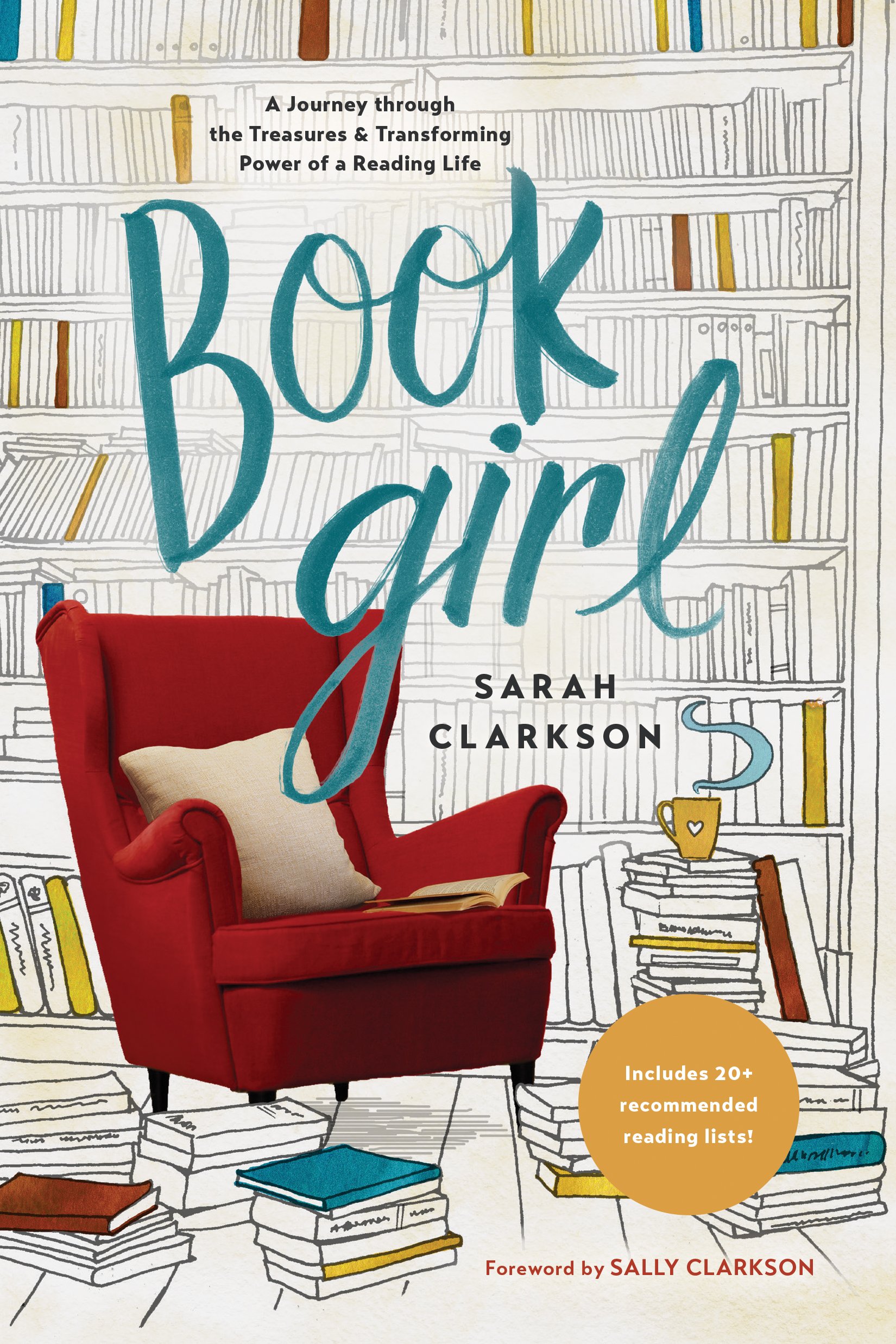
Another book that had its moment in the limelight, I saw The Awakening of Miss Prim recommended in Sarah Clarkson’s Book Girl. It’s a “tale of literature, philosophy, and the search for happiness,” and is set in a remote French village “against a backdrop of steaming cups of tea, freshly baked cakes, and lovely company.” Sounds delightful, doesn’t it? I think I’m going to save it for when I’m craving a nice cozy book to read.
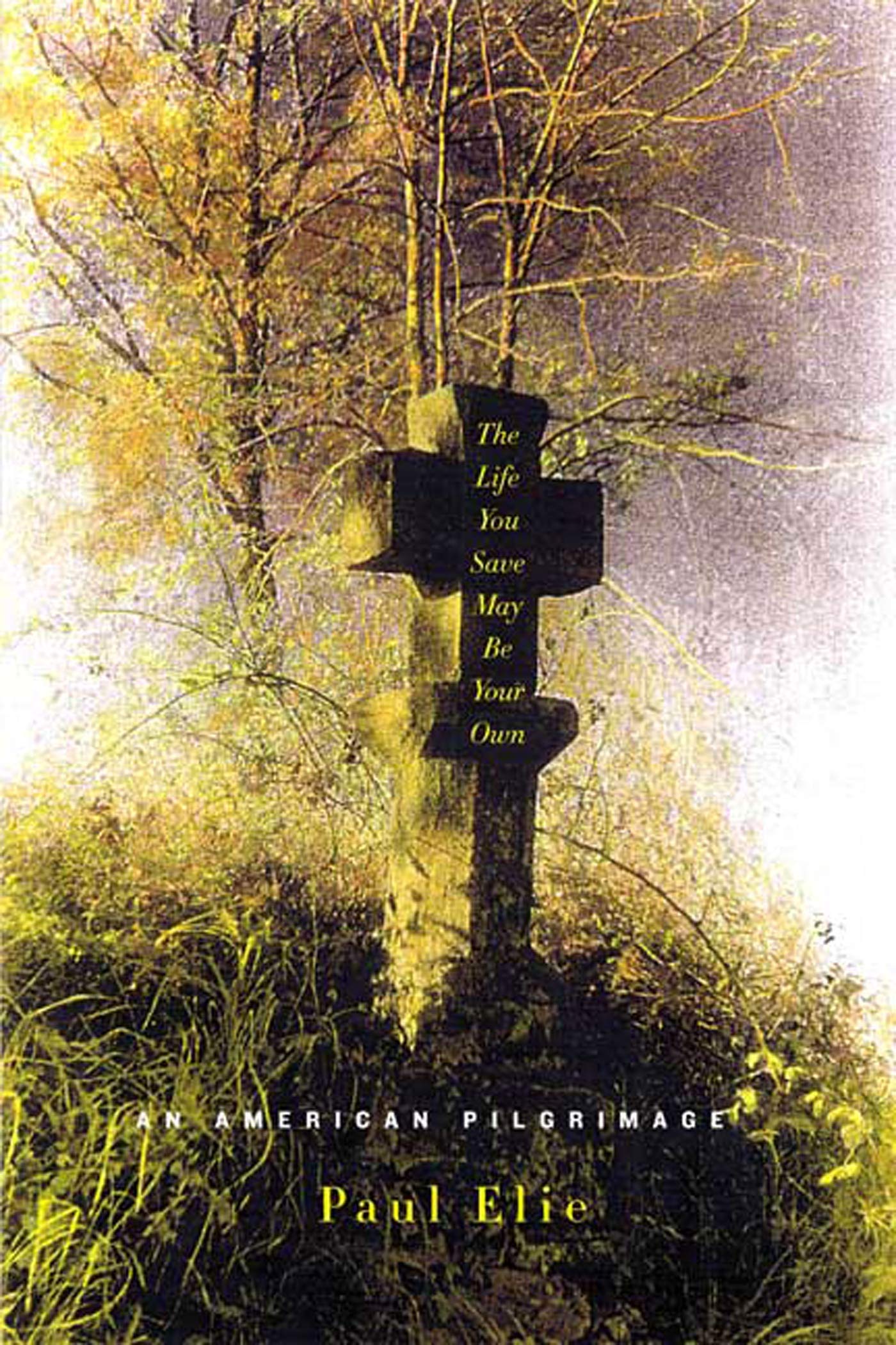
The Life You Save May Be Your Own by Paul Elie
This is a fourfold biography of Flannery O’Connor, Thomas Merton, Dorothy Day, and Walker Percy, authored by Paul Elie, who is currently a fellow at Georgetown’s Berkley Center for Religion, Peace, and World Affairs. I’m already an admirer of Flannery O’Connor, and hope to read Merton’s Seven Storey Mountain someday, so I’m looking forward to learning more about the people behind the pens.
Happy Monday, friends! Evidently we’re doubling up on the alliteration today. I’ve been in a very cozy mood lately–“the bleak midwinter” always seems to awaken some kind of hibernation instinct in me. Really, though, it doesn’t feel particularly bleak. There have been plenty of sunny days here and even the chilly gray days are beautiful in their own way. It’s the best time of year for curling up with a book to warm your heart and a hot drink to warm your stomach. This week I’m sharing some hygge-inspired finds to help you enjoy the season.
Good Music
Everything about this music video is exquisite. From the lovely lullaby-esque song, to the artful watercolor animation, to Anne Akiko Meyers’ beautiful playing… all the heart-eyes. It’s a balm for the soul, and a timely reminder that spring will come again.
I recently discovered Loré Pemberton on Instagram and her style of art is right up my alley. Folk art is just so delightfully cozy, isn’t it? This piece in particular is perfect for winter: the cool tones; the still, quiet beauty; and of course the warm red coat.
Good Words
I’ve been reading a ton this month! I just finished Maya Angelou’s I Know Why the Caged Bird Sings as well as A Girl of the Limberlost by Gene Stratton-Porter, and I’m currently reading Perelandra, the second book in C.S. Lewis’s space trilogy. I’m also still slogging through Les Mis. Seventy-two percent done, only twenty-eight percent to go!
As far as digital reading goes, I enjoyed this post from Blessed is She, which discusses some ways to avoid winter burnout in your spiritual life.
That’s all for this week! Stay happy, healthy, and hopeful. ❤️
Happy Friday! Today I thought it would be fun to go through my old commonplace books and pick a few quotes to share. (If you don’t know, a commonplace is a notebook where you can copy your favorite quotes from books, essays, and poems so that they’re all in one place.) It’s always fun to flip through and remember what I was reading, and it’s a great resource for finding the perfect quote when you’re writing an essay. Here are five quotes to inspire you–I hope you find something here to think on deeply.
The armor of falsehood is subtly wrought out of darkness, and hides a man not only from others, but from his own soul.
A Room with a View, by E.M. Forster
A Room with a View is one of my favorite books, and this quote is so, so good. When we lie, we tend to think we’re only deceiving others, but falsehood affects the liar too, by obscuring our souls in a dark, murky cloud and separating us from God.
As soon as beauty is sought, not from religion and love, but for pleasure, it degrades the seeker. High beauty is no longer attainable by him in canvas or in stone, in sound, or in lyrical construction; an effeminate, prudent, sickly beauty, which is not beauty, is all that can be formed; for the hand can never execute anything higher than the character can inspire.
“Art,” by Ralph Waldo Emerson
For Emerson, art itself was a kind of religion, but I picked this quote because it shows the power of art to either degrade or elevate us. I especially love Emerson’s assertion that art, in order to attain to “high beauty,” must draw inspiration from the truly good. You can find more of my thoughts on beauty and faith here.
In this, Friendship exhibits a glorious “nearness by resemblance” to Heaven itself where the very multitude of the blessed (which no man can number) increases the fruition which each has of God. For every soul, seeing Him in her own way, doubtless communicates that unique vision to all the rest.
The Four Loves, by C.S. Lewis
You didn’t really think I’d write a post without referencing C.S. Lewis, did you? This blog is quickly becoming a Lewis fan club. I love the special emphasis he places on friendship in The Four Loves; as he points out, friendship was venerated by the Ancients, but tends to be forgotten and under-appreciated by modern society.
“Yes, we’re not angels but humans,” said Dame Clare, “and human nature is made so that it needs variety. The Church is like a wise mother and has given us this great cycle of the liturgical year with its different words and colors. You’ll see how you will learn to welcome the feast days and saints’ days as they come round, each with a different story, and, as it were, a different aspect; they grow very dear, though still exacting.”
In This House of Brede, by Rumer Godden
In This House of Brede is another favorite of mine, and this quote is the best summation of the liturgical year I’ve ever read. Just as there are different seasons in a year and in our lives, so there are seasons in our spiritual lives and in the liturgy of the Church that help to keep us from becoming spiritually stagnant.
Even more profound, if we reflect on our own reflection, we receive a more beautiful proof, a demonstration that we have, in our reason, a power to grasp immaterial truths—a power that somehow exceeds the particular, physically defined powers of our senses and imagination and is capable of grasping universal truth. Could this be a proof of the immateriality of the soul?
A Meaningful World, by Benjamin Wiker and Jonathan Witt
I’m currently reading this book for school, and quite enjoying it. This quote followed a passage discussing the elegant beauty of Euclidian proofs and the human ability to think in the abstract, which implies that there is something more than survival instinct driving our discoveries in science and mathematics.
I had the best of intentions to get this up on the blog within a few days of New Year’s, and then was promptly overwhelmed with some important deadlines. Well, better late than never, I suppose. Most of 2020 was spent at home, and reading was a welcome escape. As Richard Peck quipped, “When I read a good book, it’s like traveling the world without ever leaving my chair.” I was thrilled to discover many new favorite books this year, among them some that will certainly merit multiple rereads. So without further ado, here are my favorite books of 2020, in chronological order.
How Green Was My Valley by Richard Llewellyn
This was the first book I finished in 2020. It’s the story of a family living in Wales during the Industrial Revolution, and it addresses a lot of heavy topics, like the different ways in which people adapt to a changing society, the strikes and unionization of Welsh miners, the idealogical divides between generations, and even the environmental impacts of industrialization. Despite all this, it’s still a book filled with poignant beauty, made more precious because Llewellyn helps the reader understand its fragility.
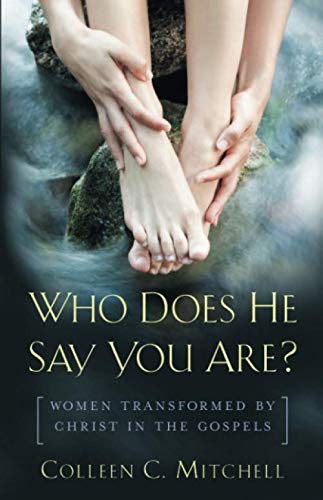
Who Does He Say You Are? by Colleen C. Mitchell
I chose this book as my Lenten devotional this year, and it was fantastic. Each chapter spotlights a different woman from the Gospels whose life was impacted by an encounter with Christ. The reflections are beautifully written and the book is well-organized and easy to use. This is the kind of devotional that keeps on giving, and I think I’m going to be revisiting it often over the years!
Sense and Sensibility by Jane Austen
I started this book at the beginning of quarantine–the perfect time! I found the fortitude and cheerfulness of the Dashwood sisters comforting and inspiring. Like so many of us this year, they had to deal with unexpected and difficult circumstances, and they did so with grace. Austen’s personification was masterfully done, and I appreciated her insight into the very different ways in which we face suffering: in Elinor’s case, by stuffing down her feelings and putting on a brave face, and in Marianne’s, by wallowing in self-pity. By the end of the novel, we come to realize that the best way of dealing with life’s trials is some combination of the two: like Marianne, we need to allow ourselves to process our feelings, and like Elinor, we must then move forward.
The Blue Castle by L.M. Montgomery
This is the first of Montgomery’s standalone novels I’ve read, and it took me a bit to get into it, but by the end she had–of course–won me over. The plot is driven by the question, “What would you do if you only had a few months to live?” It was an enjoyable read. I really liked the unexpected romance and as always, Montgomery’s descriptions of the landscape and changing seasons were on point. I think this is a great, fun option for grown-up Montgomery fans who have already finished the Anne and Emily books.
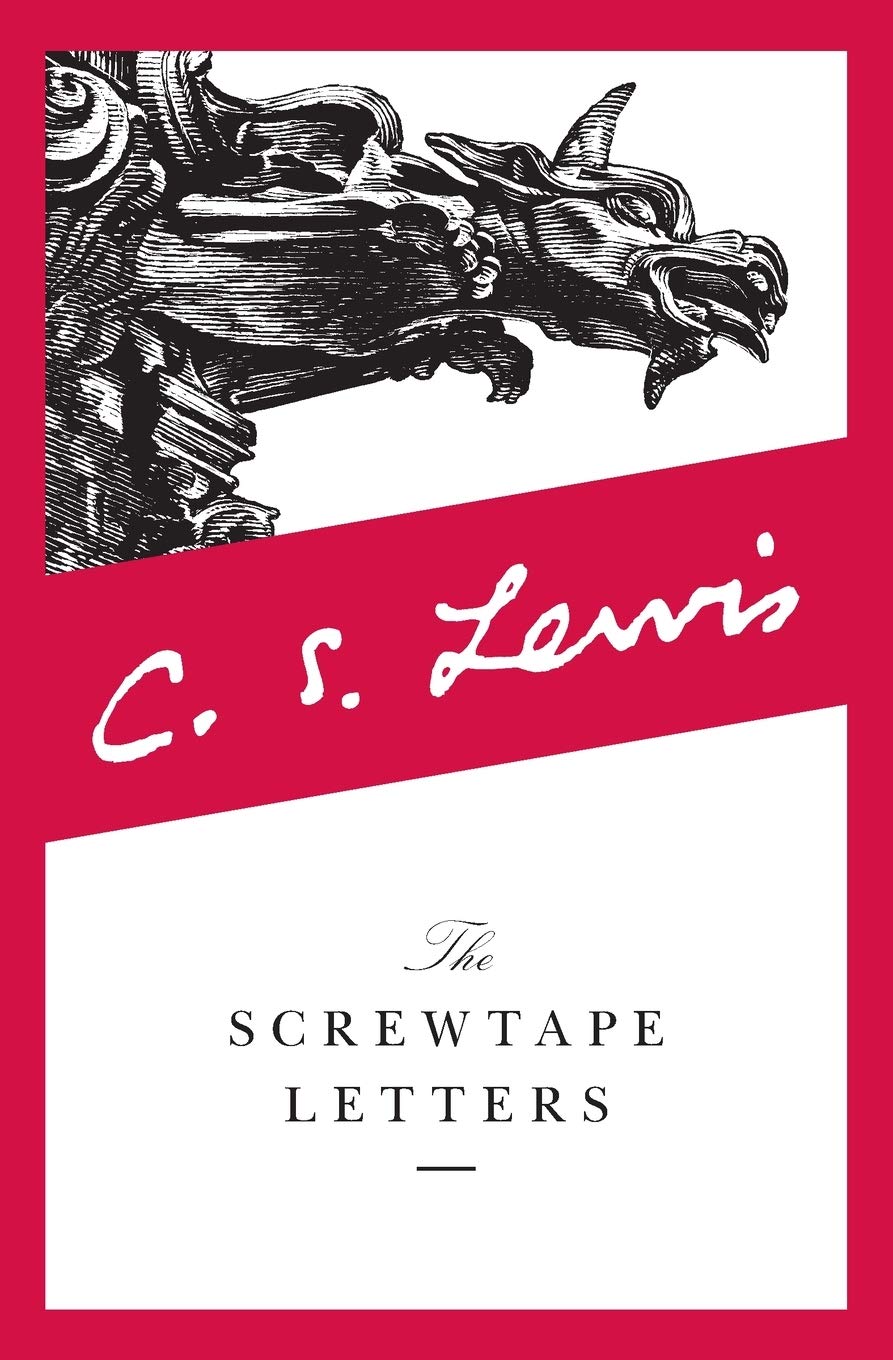
The Screwtape Letters by C.S. Lewis
This classic needs no introduction, and I think everything that can be said about it has been said already. It’s an epistolary novel, composed of letters between two demons sharing advice and anecdotes about their line of work. Lewis skillfully illustrates the various strategies employed by the devil to tempt us, and also makes it painfully clear that Satan (along with all the rest of the demons) is a weak, pitiable creature who is unable to understand the concept of love. It’s absolutely phenomenal. If you’ve yet to read it, what are you waiting for?
Out of the Silent Planet by C.S. Lewis
You know you’ve found a true gem of an author when they appear not once, but twice, back-to-back on your list of favorites! This is the first book in Lewis’s science-fiction trilogy. I actually started reading it a few years ago but just couldn’t get into it. This year, I decided to give it a second chance, and I couldn’t put it down! It’s a fantastic story that grapples with the theological and ethical consequences of discovering extraterrestrial life. Lewis paints a vivid picture of a world without a Fall, where all things are rightly ordered. I was blown away; I would never have expected so much spiritual insight from science-fiction. I can’t wait to read the other books in the trilogy!
Book Girl by Sarah Clarkson
For me, this book was pretty much an instant favorite–it’s an ode to the adventure of reading and the power of story, and it would be perfect for hardcore bookworms and wannabe readers alike. I have since added a copy to my own personal library and am finding Sarah’s booklists invaluable. It’s an all-around lovely read that I can’t recommend highly enough. You can find my full review here.
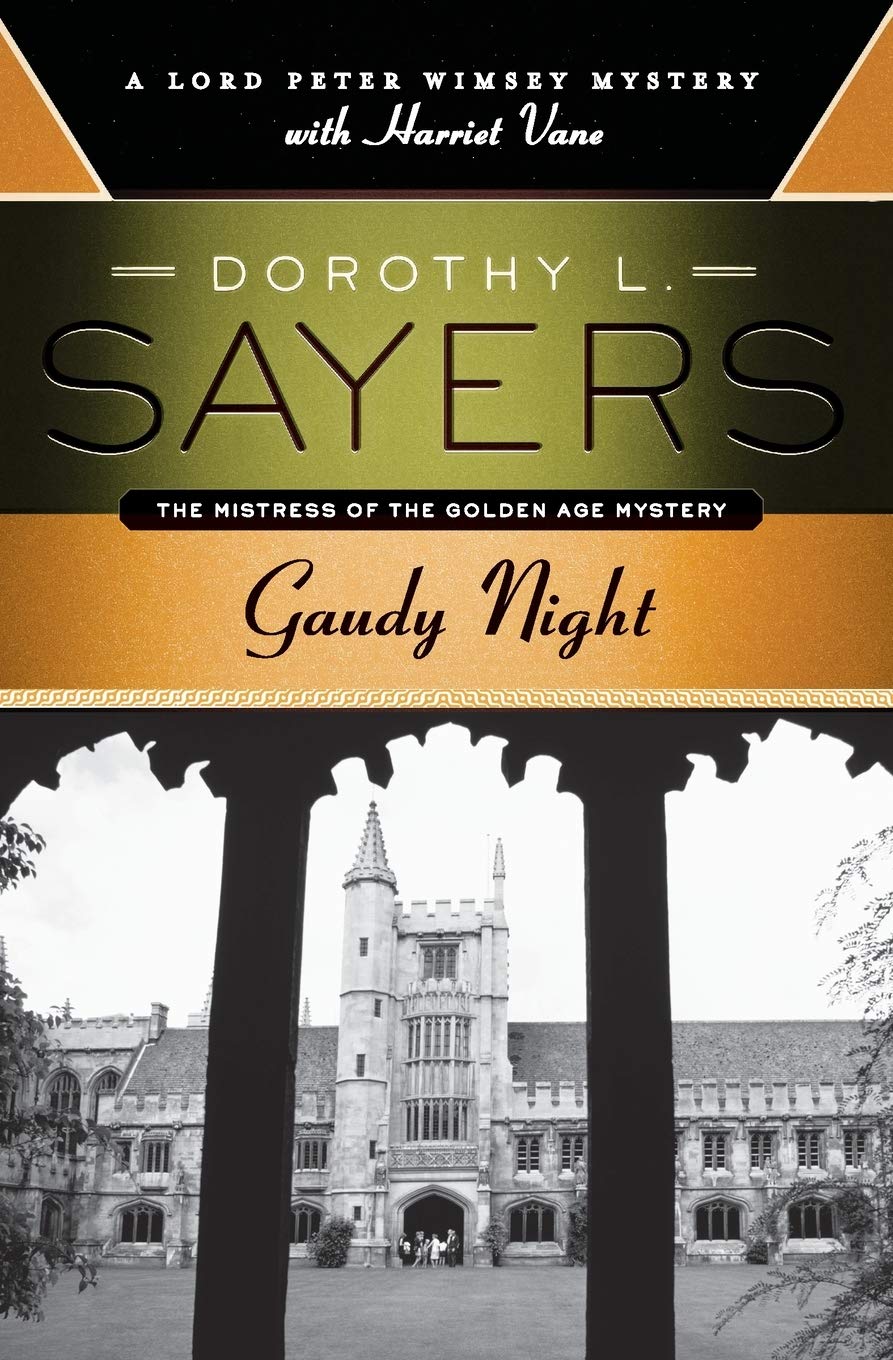
Gaudy Night by Dorothy Sayers
I’ve always had a fondness for mysteries, but they don’t usually qualify as favorites. This one took me completely by surprise: I was definitely not expecting to like it as much as I did. It’s incredibly well-written and most of the story takes place in Oxford–a winning combination which makes it almost a guaranteed success! There’s no murder, but there’s plenty of mystery, not to mention philosophical insights, intriguing characters, playful banter, and a proposal involving Latin. What more could you possibly want?
“It’s beginning to look a lot like Christmas…” Somehow, the first half of December seems to have been completely swallowed up in an inexplicable end-of-year time warp and we’re already more than halfway through Advent! It’s such a restorative season, and this Advent in particular has been exactly what I needed at the end of a very, VERY long year. I love the quiet waiting and hopeful expectation that Advent brings, but I can’t wait for the unbounded joy of Christmas–and after all, what better reason is there to celebrate? I hope you all have had a restful, peaceful, joyful, and hopeful Advent as well!
What I’m Reading
Devotional
For my spiritual reading this Advent, I chose Pope Benedict’sJesus of Nazareth: The Infancy Narratives. In the past, I’ve used devotionals created specifically for Advent (like the ones from Blessed is She), but this year I wanted something more flexible, that I could read slowly and return to in future years. The book was slimmer than I expected, but it does not disappoint–in fact, it’s completely blown my mind. Simply put, it’s an exposition and interpretation of the Scripture passages relating to Christ’s conception, birth, and early childhood, and it’s fantastic. I highly recommend.
Advent Poetry
I follow the lovely Sarah Clarkson on Instagram for literary tidbits and musings on the intellectual life, and during Advent she has been reading a poem aloud every day and saving the recordings to IGTV. It’s a genius idea, since reading poetry is the perfect way to slow down and prepare a quiet space in our hearts for Christ’s coming. (Does anyone else find that they need to read poetry slowly–and more than once–to fully absorb it’s meaning?) Anyhow, one of the poems in particular struck me deeply and I wanted to share it here.
I’m not a huge music person, but of course I make an exception for Advent and Christmas music! My favorite Advent music of all time is the album Advent at Ephesus, by the Benedictines of Mary, Queen of Apostles. It’s a hauntingly beautiful collection of hymns (in English and Latin) that inevitably get stuck in my head–which means my poor family has to put up with listening to me hum ALL DAY LONG. At least it’s seasonally appropriate, I guess?
Podcasts
I’ve also been listening to the Abiding Together Podcast’s Advent series, focused on Our Blessed Mother’s roles as a model of holiness and as our spiritual mother, and loving it every bit as much as I always do. You can find the all podcast episodes for Advent here.
Well, that’s it for now, friends. I wish you all a prayerful rest of Advent, and a Christmas filled with joy!
“I believe in one, holy, catholic, and apostolic Church.” These words are from the Nicene Creed, which is recited by the faithful during Mass. The word “catholic” literally means universal, and universality is one of my favorite qualities of the Church. No matter where you are in the world, Mass is celebrated in the same way. Even if you don’t know the language, you will know what’s going on.
And there has never been a better time than the present to explore the universality of this beautiful Church of ours. Across the globe, Catholic churches are live-streaming Masses, which means we have the once-in-a-lifetime opportunity to travel around the world, visiting pilgrimage sites and stunningly beautiful churches, without ever leaving our living rooms.
This is not to say that live-stream Mass is a preferable alternative to in-person Mass, if you’re able to attend. There is no substitute for the Real Presence, for worshipping Christ incarnate in the form of bread and wine, or for the sense of community we gain from being surrounded by our brothers and sisters. But if you’re stuck at home and starting to grow weary of watching Mass instead of being there in person, then this might be the perfect time to virtually “visit” a church somewhere far from home.
Oxford Oratory – Oxford, U.K.
This church in Oxford, England is breathtakingly beautiful, with statues of the saints surrounding the altar, bringing to mind our many intercessors in Heaven. The liturgy is a very reverent and traditional Novus Ordo said ad orientem and the homilies are excellent (possibly just because of the accent, but I think not). You can find live-streams and recordings here.
St. Patrick’s Cathedral – New York City, U.S.A.
You can virtually participate in Mass, Eucharistic Adoration, and more at St. Patrick’s Cathedral. I haven’t personally watched their live-streams yet, so I can’t give any details about the liturgy, but it’s on my list. You can find all the live-streams and recordings at St. Patrick’s YouTube channel here.
Knock Shrine – Knock, Ireland
In August 1879, Our Lady appeared in Knock, Ireland, along with St. Joseph and St. John the Evangelist. The apparition was confirmed and Ireland’s National Marian Shrine was built at the site. It soon became a popular pilgrimage destination. You can watch live and recorded Mass from the Knock Parish Church here.
National Shrine of the Divine Mercy – Stockbridge, MA, U.S.A.
The National Shrine of the Divine Mercy in Stockbridge, Massachusetts is a beautiful and architecturally interesting church. The Shrine is a ministry of the Marian Fathers of the Immaculate conception, whose mission is to spread the Divine Mercy message. You can find daily Mass here, and they also live-stream a daily Rosary as well as the Chaplet of Divine Mercy.
Shrine of Fatima – Fatima, Portugal
In 1917, Our Lady appeared to three young children in Fatima, Portugal. The site of the apparitions has become “one of most visited Marian pilgrimage sites in the world,” according to the World Youth Day website. The 2023 World Youth Day is now being planned, and will take place in Lisbon, not far from Fatima. You can find live-streams from the Shrine here.
Autumn is here! I’m not sure why, but I don’t think I’ve ever fully appreciated all the joys of the season until this year. The beautiful colors, chilly breezes, coziness and comfort–oh, and SWEATERS. Did I mention I love sweaters? As someone who’s perpetually cold, I am thrilled to be back in a season where bundling up is once again sartorially acceptable. But mostly I love fall because it’s nature’s last hurrah before the winter hibernation. And no one writes better nature descriptions than L.M. Montgomery. Don’t even try to argue with me. She describes the stunning Canadian scenery in almost every chapter of every one of her novels, and she does it both deftly and lavishly, transporting you to the very spot she describes. Today I’m sharing one of my favorite Montgomery “word-pictures,” of Prince Edward Island in autumn.
But everything in the landscape around them spoke of autumn. The sea was roaring hollowly in the distance, and the fields were bare and sere, scarfed with golden rod, the brook valley below Green Gables overflowed with asters of ethereal purple, and the Lake of Shining Waters was blue-blue-blue; not the changeful blue of spring, nor the pale azure of summer, but a clear, steadfast, serene blue, as if the water were past all moods and tenses of emotion and had settled down to a tranquility unbroken by fickle dreams.
A few weeks ago, I finished reading Sarah Clarkson’s Book Girl, an exploration of what it means to be, as Sarah terms it, “a woman who reads,” to delight in the world of books. This was one of those books that you force yourself to read slowly so that you can savor every word, and it became an instant favorite. Sarah somehow articulated so much of what I feel as a reader and wove a narrative that was at once personal and universal. It’s safe to say she’s a kindred spirit–and as Anne Shirley says, “Kindred spirits are not so scarce as I used to think. It’s splendid to find out there are so many of them in the world.”
Aside from the beautiful writing (which alone would be reason enough to read this book), the booklists that Sarah has compiled are fantastic. They include some of my personal favorites as well as books that I hope to read one day, and many more. It’s a literary treasure trove! Even if you’re not a huge reader, I would still recommend checking out this book. It’s not preachy, and you just might find yourself inspired to delve into the magical world of books.
More than anything else, this book made me incredibly proud and grateful to be part of the sisterhood of women who have found solace and inspiration in the written word. Like Sarah, my life has been shaped by stories, and my identity has been largely formed by the characters in my favorite books, who demonstrate the virtues to which I aspire and help me to better understand myself, my place in the world, and the struggles I face.
I’m talking about books like L.M. Montgomery’s Anne of Green Gables, whose heroine taught me to be fully alive to the wonder and beauty of the world and to put the best of myself into whatever I do.
Books like Jane Austen’s literary masterpieces, enthralling and yet completely human, filled with rich insights into the workings of society and the vicissitudes of love.
Books like, well, everything by C.S. Lewis, which help me to know and love God better and artfully reveal the relationship between the Divine and the ordinary.
Books like Victor Hugo’s Les Misérables, which I am still reading, slowly but surely, and in which I can already begin to see taking shape a story about how grace works over the course of a lifetime.
Books like George Weigel’s Letters to a Young Catholic, which made me fall in love with this beautiful, universal Church and inspired me to delve deeper into the treasures of my faith.
These are just some of the books whose sharp, poignant beauty has made me catch my breath, whose truth has thrilled my heart, who have made me laugh or cry (and often both). Without them, I would not be the person I am. Book Girl is a book for both book lovers and would-be book lovers. Although Sarah wrote primarily about her own life, so much of what she had to say resonated deeply with me. If you are a bibliophile or even if you wish you liked reading more, this book is for you.
Happy Monday, everyone! I hope you are all safe, healthy, and finding joy in the little things today. September has been… an interesting month. It’s been really lovely to get back into the routine of the school year, and I can’t believe that 2020 is almost over. (Just a few more months to go!) The many weeks since March have passed in a flash, and yet while we were living them they seemed to drag on forever. The month of September is dedicated to the Seven Sorrows of Mary on the liturgical calendar, and there are a few important feast days coming up, so I’m going to share some resources to help you celebrate those as well as a few other things I’ve been enjoying.
The Exaltation of the Holy Cross
Today, September 14, is the Feast of the Exaltation of the Holy Cross. This feast day commemorates the finding of the True Cross by St. Helena, who was the mother of the Emperor Constantine. You can find the story of how St. Helena discovered the True Cross, as well as a breakdown of the historical evidence, here. Kendra at Catholic All Year has written a great blog post with ideas for celebrating the feast day.
New Season of the Abiding Together Podcast!
Season 8 of the Abiding Together Podcast goes live today! It’s probably my favorite podcast of all time and I recommend it to everyone. Yes, I really do mean EVERYONE. I’m not a huge podcast person, and this is the only one I listen to on a regular basis. They do amazing book study series too, which are all archived on this page, in case you want to go back and read along–I particularly recommend their studies of Gaudete et Exsultate, Searching for and Maintaining Peace, and The Lion, the Witch, and the Wardrobe, but you really can’t go wrong.
Praying the Seven Sorrows Devotion
Tomorrow, September 15, is the Feast of the Seven Sorrows of Mary. They are: the prophecy of Simeon, the flight into Egypt, the loss of Jesus in Jerusalem, Mary’s meeting with her Son on His way to Calvary, the Crucifixion, the taking down of Christ’s body from the Cross, and the burial of Jesus. This devotion to the Seven Sorrows was entrusted by Our Lady to St. Bridget of Sweden. There are specific graces promised to those who pray through the Seven Sorrows every day, but a good, doable place to start would be praying the devotion on the Feast of the Seven Sorrows, on Fridays, or every day during the month of September.
Period Drama Fans, Rejoice!
I recently discovered the blog Willow and Thatch, devoted to all things period drama, and I’ve been thoroughly enjoying it. There are a lot of great in-depth posts covering historical accuracy, the faithfulness of various film adaptations to the literary versions, and–my favorite–the authenticity of the costumes. I particularly liked this post about the costumes in the new Emma movie as well as this one covering every version of Pride & Prejudice (including some that I’ve never even heard of!).
Happy Tuesday! For this edition of From My Commonplace, I submit this quote, a gem from Chesterton’s delightful book The Club of Queer Trades (which you can read for free online here!), for your consideration. I think that what Chesterton calls the “congeniality” of fiction is perhaps one explanation for mankind’s long-enduring fascination with stories–especially stories that spring entirely from the imagination of their authors–and our sometimes mulish unwillingness to accept hard truths.
“So far from paradox,” said his brother, with something rather like a sneer, “you seem to be going in for journalese proverbs. Do you believe that truth is stranger than fiction?”
“Truth must of necessity be stranger than fiction,” said Basil placidly. “For fiction is the creation of the human mind, and therefore congenial to it.”
I’ve heard this point made time and time again in homilies: “You shouldn’t be coming to Mass just because of the choir or the church architecture, because those things aren’t really important.” This statement isn’t necessarily untrue. The most important part of a Catholic Mass–the transformation of the bread and wine into the Body and Blood of Christ–occurs no matter where Mass takes place or what kind of music is playing in the background. A deficiency of beautiful churches and skilled choirs should not keep the faithful from participating in the Holy Sacrifice of the Mass. With that being said, the intent of this post is to make an argument for why Mass should be beautiful.
Welcome to this week’s edition of Monday Miscellany! It’s been a busy few months for me and, as a result, this blog has been sadly neglected. I feel like I’m just getting into a good summer routine and now SUMMER IS ALMOST OVER! Hopefully I’ll be able to get back to posting semi-regularly soon. In the meantime, I’ve been collecting some interesting tidbits to share with you.
St. Ignatius of Loyola
Last Friday, July 31st was the feast day of this powerhouse saint and founder of the Society of Jesus, a.k.a. the Jesuits, who is most well known for his Spiritual Exercises and Examen (a wonderful bedtime prayer habit!). I discovered two exquisite prayers penned by St. Ignatius and immediately fell in love with them. Perhaps they will be as helpful and inspiring to you as they’ve been to me.
It’s been quite some time since I posted a good old-fashioned book review. Our public library shut down back in March and is only just beginning to reopen, so a shortage of new reading material has been a bit of a problem. I mean, I know it’s insignificant compared to the hardships that so many others are facing right now, but I can’t deny that it’s annoying. Especially since we’re spending a lot of time cooped up inside at the moment. All I can say is, thank goodness for free ebooks, fast Amazon shipping, and our amazing local indie bookstore. I think I would have gone crazy without them.
Who Does He Say You Are?
This was one of my Lenten reads and it did not disappoint. I highly, highly recommend this one for every woman (teen and up) who desires to enrich her faith life. This book contains so many beautiful insights and will give you so much food for prayer. It’s challenging in the very best way, and as comforting as a hug from your best friend. I can see myself coming back to it again and again when I just want a good Scriptural reflection to direct my prayer.
I have a confession to make: I love murder mysteries. Agatha Christie, G.K. Chesterton, Dorothy Sayers, and Sir Arthur Conan Doyle are among my favorite authors. And not only do I enjoy reading their works, but I find the TV and movie adaptations delightful. You might call me a murder mystery junkie.
Now, it wouldn’t be unfair at all to assume that murder mysteries, with their grisly plot lines and often unsettling glimpses of humanity’s fallen nature, would be anathema to the Christian sensibility. Why on earth would anyone want to read a book or watch a movie about people killing other people? Don’t murder mysteries desensitize people to the gravity of sin and death?
Despite all these perfectly valid objections, I believe that murder mysteries are not only morally acceptable, but are actually one of the best literary (and TV/movie) genres available today. This is because, in our culture, where the line between good and evil is getting progressively more blurry–especially in modern books, shows, and films–murder mysteries are in general very clear about right and wrong.
I wrote this piece for school, and decided it would be a good one to share here. Please keep in mind that this was written with limited time and the ideas haven’t been fully fleshed out. I think it’s a really important and compelling issue to explore further.
The heresy of heresies was common sense. And what was terrifying was not that they would kill you for thinking otherwise, but that they might be right. For, after all, how do we know that two and two make four? Or that the force of gravity works? Or that the past is unchangeable? If both the past and the external world exist only in the mind, and if the mind itself is controllable–what then?
George Orwell, 1984
In this passage from Orwell’s 1984, the protagonist wrestles with the discrepancies between his own personal experience of truth—things he sees with his own eyes, hears with his own ears, and knows within his heart—and the “truth” as determined by the Party. This raises an interesting and important question: what is truth? The dictionary defines the word as “the body of real things, events, and facts,” or “a judgement, proposition, or idea that is true or accepted as true.” Opinion, on the other hand, is defined as “a view, judgment, or appraisal formed in the mind about a particular matter,” or “belief stronger than impression and less strong than positive knowledge.” In the modern worldview there is quite often significant confusion between truth and opinion. Truth is objective; opinion is subjective.
When we lose sight of this fact, everything descends into chaos. People believe that there is more than one “truth,” or try to force others to accept their personal opinions as truth. Our chronic unwillingness to offend only serves to exacerbate the problem, resulting in intellectual paralysis. Being respectful of the views of others is always important, but insisting that there is more than one “truth” and that everyone is right only leads to confusion. As a culture, we have lost sight of the idea of objective truth.
The solution to the problem is deceptively simple: critical thinking. How do we distinguish between objective truth and personal opinion? By using our minds to actively seek the truth. If we want to really know what is true and what is not, we must be truth-seekers. This requires not only an inquiring mind and a firm grasp of basic logic but also a healthy sense of self-esteem. We are told again and again that we should trust the experts, the scholars, and the scientists. While their insight can be very valuable as we search for the truth, overemphasizing its importance leads us to believe that we—lowly, stupid mortals as we are—cannot come to the truth on our own. This is the greatest obstacle we face on the quest for objective truth, and a great injustice to our abilities.
HE IS RISEN!!! ALLELUIA!!!!! Easter is 50 DAYS LONG and I’m so happy to have a reason to celebrate. As we experience the joy of His Resurrection all over again, I’ve been reflecting on how many unexpected blessings have come out of this pandemic. Catholics everywhere are experiencing a renewed love and appreciation for the Sacraments. We’ve all been given a much-needed break from the busy-ness of our everyday lives. The Christian community as a whole has drawn closer together. Divisions have melted away, and people of all races, faiths, and political viewpoints are standing together in solidarity and lifting each other up instead of tearing one another down. I don’t think it’s a coincidence that this happened during the liturgical seasons of Lent and Easter. Things may be hard right now, but God is bringing new life to so many barren places.
I’ve been meditating on the Passion of Christ this week and thinking a lot about the endings of stories. There are so many different kinds, and they evoke so many varied emotions. Endings can be happy, sad, satisfying, confusing, or they can leave you wanting more. As a certified bookworm, I’ve breathed many a sigh of regret as I turned the last page in a book, wishing I could rewrite the ending, or that there was a sequel, or that the story just wasn’t over yet.
Holy Week is here at last and my heart is rejoicing! It has been a long, long Lent, and I am so ready to enter into the mysteries of Christ’s suffering, death, and resurrection. Holy Week always reminds me that the story of our salvation is truly the world’s greatest love story. God’s love for us will overcome all things, no matter how dark or scary they seem. He has conquered sin and death, and if that’s not worth celebrating, I don’t know what is!
This year, with so many people staying home, Holy Week is bound to look a bit different. But that doesn’t mean we can’t celebrate! There are so many amazing (and free) resources being made available so that we can still experience the rich traditions of the Church at home, by ourselves or with our families. Today I want to share some of these resources in the hopes that they will help you have a prayerful, grace-filled, and blessed Holy Week.
The panic around COVID-19 has increased dramatically over the last few weeks as it suddenly got a lot closer to home. I think most people never expected the coronavirus to be more than a news story, never expected it to have much of an effect on their personal lives. It’s safe to say that at this point, nearly everyone in the world has been affected, either directly or indirectly, by the pandemic.
Last Friday, March 13, we were notified that our diocese had canceled all public Masses until further notice. I was absolutely stunned. I was prepared for the closing of schools but not for this. The following Sunday, we watched a live-streamed Mass. While I’m very grateful for the modern technology that allowed us to watch the Mass that day, I missed being present in church, missed worshiping in community, and most of all, I desperately missed receiving the Eucharist.
There are so many things to love about Jane Austen: razor-sharp wit, penetrating satire, and intricate storylines among them, but perhaps what really keeps readers coming back again and again are Austen’s complex, endearing, and realistic characters. Many a devoted Janeite has self-identified with the independent Lizzy Bennet, the practical Elinor Dashwood, the self-assured Emma Woodhouse, the imaginative Catherine Morland, or the humble Fanny Price.
Just as we tend to gravitate toward one of Austen’s heroines, we also tend to have a favorite leading man. In this post, I will be attempting to make an unbiased evaluation of three of Austen’s heroes: Mr. Darcy, Mr. Tilney, and Mr. Knightley. I’m pretty sure that’s impossible though, so if you disagree with my conclusions, or I’ve left your personal favorite off my list, feel free to make your case (civilly, of course!) in the comments. Without further ado, let’s get into it!
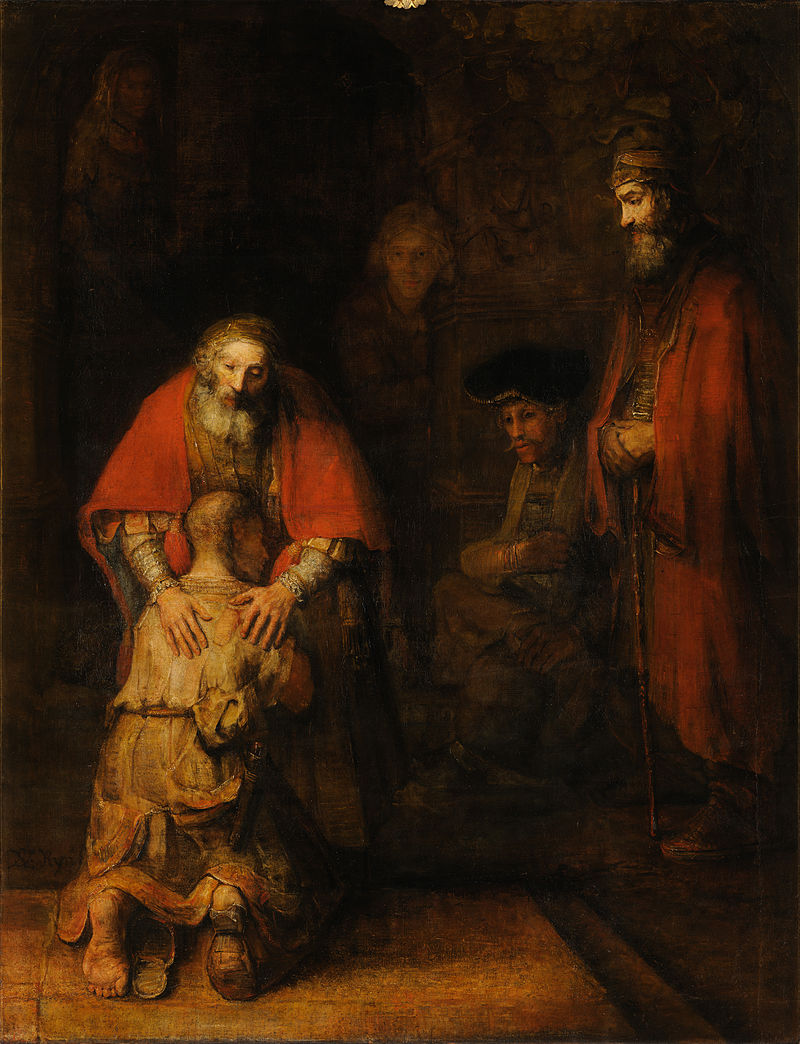
I’m reading Henri Nouwen’s The Return of the Prodigal Son this Lent (following along with the Abiding Together Podcast’s book study) and it is SO BEAUTIFUL. The book describes Nouwen’s deeply spiritual encounter with Rembrandt’s depiction of the homecoming scene from the parable. This experience taught him not only to see God in a new way, but also served as a window into his own soul. I really appreciate Nouwen’s insights into the workings of the human heart and his willingness to be incredibly vulnerable and honest about the struggles and sufferings he experienced on his own spiritual journey. Because in the end, we’re all really prodigal sons and daughters trying to find our way back to our true home.
A voice, weak as it seemed, whispered that no human being would ever be able to give me the love I craved, that no friendship, no intimate relationship, no community would ever be able to satisfy the deepest needs of my wayward heart. That soft but persistent voice spoke to me about my vocation, my early commitments, the many gifts I had received in my father’s house. That voice called me “son.”
I wrote this piece for school, and since it’s Lent I thought it would be the perfect time to share it here. Suffering is an oft-avoided topic, but I think we do ourselves a disservice when we skirt around the issue. I would love to hear your take on the value of suffering in the comments!
Shall I despise you that your colorless tears
Made rainbows in your lashes, and you forgot to weep?
Would we were half so wise, that eke a grief out
By sitting in the dark until we fall asleep.

I only fear lest, being by nature sunny,
By and by you will weep no more at all,
And fall asleep in the light, having lost with the tears
The color in the lashes that comes as tears fall.

I would not have you darken your lids with weeping
Beautiful eyes, but I would have you weep enough
To wet the fingers of the hand held over the eye-lids
And stain a little the white frock's delicate stuff.

For there came to mind, as I watched you winking the tears down,
Laughing faces, blown from the west and the east,
Faces lovely and proud that I have prized and cherished,
Nor were the loveliest among them those that had wept the least.

                                                               "To a Young Girl," by Edna St. Vincent Millay
It’s rather a radical idea in our culture that suffering can be good, that it can transform us for the better. Most people are willing to use any means necessary to escape fear, pain, and sorrow—even accepting the shackles of addiction in order to avoid emotional vulnerability, whether with themselves or with others. The culture tells us that anything which causes us even the slightest emotional discomfort should be cut out of our lives, that it’s “toxic” and is keeping us from being the best version of ourselves.
For this week’s Monday Miscellany, I thought it would be fun to share what I’ve been reading recently, and what I’m planning on reading in the near future. School (and life in general) have been super busy these past few months, so pleasure reading has kind of been pushed to the back burner, but a looming library due date forced me to get back on track. I finished my first book of the year (woot woot!!) and just picked up a few new ones from the library, plus a few Lenten reads (because I’m nothing if not ambitious when it comes to reading). But I know you’re really just interested in the books, and not my overly-optimistic reading list, so here you go!
How Green Was My Valley
I just finished this one, and thoroughly, thoroughly enjoyed it. There’s something magical about diving into a historical work and being transported to a different time and place, to experience life vicariously through the protagonist. This one is a coming of age story that vividly illustrates the effects of the Industrial Revolution on a small Welsh mining town. Llewellyn’s simple prose, written in dialect, not only accurately depicts the way in which the characters would have spoken but also evokes the lyricism of the Welsh language. It was a beautiful book and one I can see myself rereading.
The Lenten season is fast approaching! And yes, Lent is a time of penitence and fasting, but it can also be a time of spiritual growth and renewal. When we let go of the worldly things we’ve been holding onto a little too tightly, we allow space for God to enter in and transform us. Lent is a wonderful opportunity to grow in patience, perseverance, and holiness, and a much-needed reminder that a little suffering can be good for us. Below are some suggestions for ways to make your Lent more fruitful.
Nothing is so intimidating to the modern reader as the classics. Why read Aristotle, Brontë, Descartes, and Lavoisier when plenty of more trendy, exciting books have been published within the last ten years? The Great Books are intimidating, lengthy, and give your brain a workout. All of this is true, but leaving them off your reading list means missing out on a conversation with the greatest philosophers, mathematicians, scientists, and inventors the world has ever known. In his introduction to Athanasius’ On the Incarnation, Lewis not only makes a strong argument for reading the Great Books, but also offers encouragement for reluctant readers. This collection of great literary works has shaped the society we live in and changed the way we view the world, and they deserve a place on the desk of every student, the nightstand of every adult, and the bookshelf of every bibliophile.
Happy Monday, everyone! I know starting a new week can be hard, so whether you’re back to work or school today, I wish you all the best! I thought I would share some things I’ve been enjoying in the hopes of making your Monday a little better.
Tips for Choosing a College
Emily Wilson is a major role model for me. She is just THE BEST. And this video is practical, encouraging, and full of good advice. Finding a college that’s right for you can be nerve-racking, and Emily’s tips will help you think more intentionally about what you’re looking for in a school. If you’re starting to think about where you want to go to college (or if you’re avoiding thinking about it), you should definitely watch this!
Speaking of Emily Wilson…
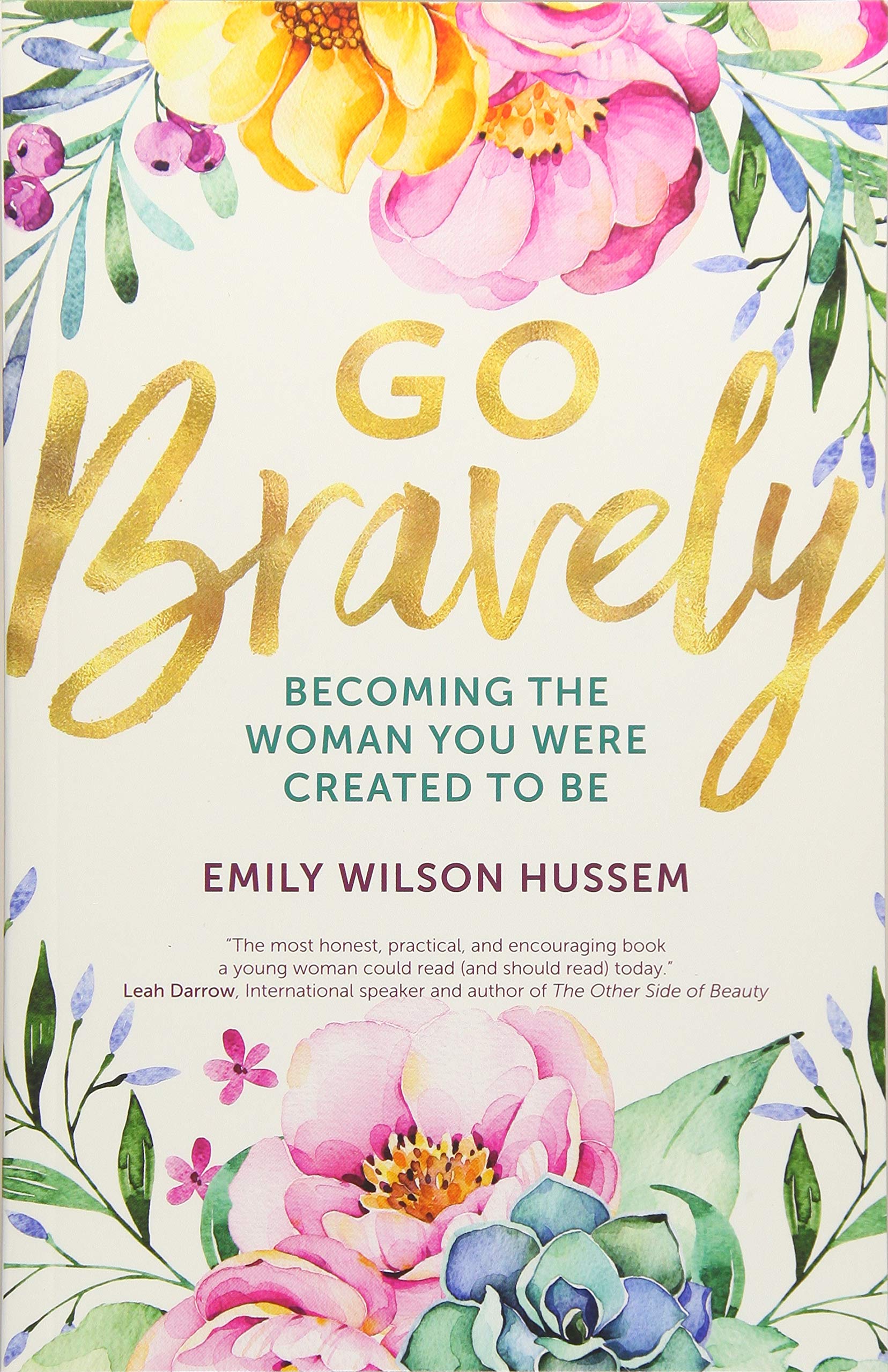
Her book, Go Bravely, which she wrote for teen girls/young women, has been on my TBR list for a while now. I got some Barnes & Noble gift cards for Christmas (books are the best gift, am I right?), and I think Emily’s book and also this one recommended by Meg are going to make the cut.
CathLit2020: A Catholic Reading Challenge
This reading challenge was created by Haley at Carrots for Michaelmas. While I’ve never officially participated in the challenge, she has some great suggestions for Catholic literature (some of my favorites are on her list!) and I love that she included some more unusual categories like “Poetry by a Catholic” and “A Book About Beauty.” You can find Haley’s blog post with the full list of categories and suggested books here.
Sisters of Life
I was blessed enough to attend a retreat given by the Sisters last weekend and it was amazing. I’ve been fans of theirs for a while, and I’m so glad I got the opportunity to meet them in person. Their mission to uphold the dignity of ALL life is so, so needed right now. You can learn more about the Sisters and their unique mission here. The Litany of Trust, written by Sr. Faustina Maria Pia, SV, is one of my very favorite prayers.
Let us do three things, my dearest daughter, and we will have peace: let us have the very pure intention of will to do all things for the honor and glory of God; let us do the little that we can toward that end, according to the advice of our spiritual director; and let us leave it to God to take care of all the rest.
St. Francis de Sales
Intention. God can perform amazing works through us when we offer him our sincere desire and intention to do His will. Just this simple act of wanting to please God can help us to discern what steps we should take to achieve that goal, and furthermore, we can trust that He will give us the graces we need to accomplish it. In this instance, it really is the thought that counts. Our Heavenly Father knows that we will need His help in order to carry out His will, but He desires that, like obedient children, we be willing to say “yes” to His plan.
Happy Feast of Our Lady of Prompt Succor! Devotion to this Marian title was first begun by Mother Saint Michel, an Ursuline nun who fled France for New Orleans during the French Revolution. Consequently, Our Lady of Prompt Succor is the Patroness of Louisiana and the Archdiocese of New Orleans. Today I’m feeling particularly thankful for the Blessed Mother’s constant intercession, and thought I would share this lovely quote from JPII.
It’s been quite the year on the reading front. I read twenty-four books in total, which means I met my goal of two books a month. (Yay!) Some of the books I read this year were fantastic, some were just good, and some were less than stellar. Instead of listing them all, which would make for a VERY long blog post, I decided to feature the standouts. Listed below, in no particular order, are my top six books of the year.
Learn from the way the wild flowers grow. They do not work or spin. But I tell you that not even Solomon in all his splendor was clothed like one of them. If God so clothes the grass of the field, which grows today and is thrown into the oven tomorrow, will he not much more provide for you, O you of little faith?
Matthew 6:28-30
Every spring, the rolling hills that surround my hometown are painted with color as the wildflowers begin to bloom. First the yellow of mustard, then the purples and blues of vetch and lupine, the bright pink of clarkia, the orange of poppies. I’ve always been fascinated by wildflowers. Each one is unique, one of a kind. The incredible variety makes me marvel at God’s craftsmanship—He not only created the mighty mountains and vast ocean but carefully designed every detail of these tiny flowers.




















 Talking to Wildflowers